Browse our article collection
Facilitate your business learning and enrich your knowledge
Mantapkan Komunikasi Perniagaan Menjelang Musim Perayaan
03 Nov 2026 • 1 min read
More Than Internet: Discover the Added Value of Unifi Business Broadband
02 Nov 2026 • 1 min read
Your Smart Guide to Stronger Business Connectivity
29 Oct 2026 • 1 min read
Komunikasi Perniagaan Lebih Cekap, Lebih Jimat dengan Simple Voice Plus
28 Oct 2026 • 1 min read
Showing 9 of 267 results

Article

0
Go Bookit: Jadual Lebih Tersusun, Perniagaan Lebih Lancar
Anda memiliki perniagaan yang menerima tempahan? Go Bookit boleh membantu dari hanya RM1 sehari + percubaan PERCUMA 30 hari.
31 Jul 2026 • 1 min read

Article
1
Transformasi Digital PMKS: Fahami Cabaran Perniagaan, Teroka Peluang Berimpak Tinggi
Nilai titik kelemahan operasi, pilih penyelesaian digital yang bersesuaian serta dapatkan sokongan daripada ekosistem yang tersedia.
23 Jul 2026 • 2 min read

Article
0
DMS: Penyelesaian Pemasaran Digital untuk PMKS
Penat buat pemasaran sendiri? Kembangkan capaian dan luaskan pasaran dengan solusi lengkap! Saksikan manfaat Penyelesaian Pemasaran Digital (DMS) untuk perniagaan anda.
17 Jul 2026 • 1 min read

Article
1
How to Create Short Videos for Your Small Business Without a Crew or Big Budget
Reach more customers with RM0 production cost. Explore how to start a no-crew, no-budget short video playbook for your business.
10 Jul 2026 • 5 min read

Article
0
Daftar Go Bookit dan Nikmati Langganan PERCUMA 30 Hari
Appointment bertindih? Tempahan terlepas? Lancarkan urusan dan bina keyakinan pelanggan dengan solusi janji temu yang hebat lagi jimat!
07 Jul 2026 • 1 min read

Article
0
Jelajah Jiwa SME 2026 Buka Tirai, Angkat Ekonomi Warisan dan Pelancongan
Usaha memperluas peluang perniagaan PMKS menerusi kekayaan budaya, warisan serta sektor pelancongan negara.
27 Jun 2026 • 3 min read

Article
0
How Malware Reaches Your Network Through Everyday Browsing
Visiting a compromised website, clicking a trusted-looking link, or browsing during peak shopping or festive seasons can be enough to expose systems to malicious code.
21 May 2026 • 3 min read

Article
0
Why Traditional Antivirus Can’t Stop DNS-Level Threats
To reduce risk effectively, security strategies must evolve beyond endpoints, and include visibility and protection at the Domain Name System (DNS) layer where many attacks begin but few are currently stopped.
13 May 2026 • 3 min read
Article
0
Top 5 Web Threats Every Business Faces Today in Malaysia
Cybercriminals are no longer just targeting large corporations. MSMEs are now prime targets, often due to limited security resources.
05 May 2026 • 3 min read
Showing 6 of 15 results
Article
Perbezaan Budaya Kerja Generasi Milenial dan Generasi Z
25 Jan 2023 • 3 min read
Golongan pekerja hari ini bukan sahaja bebas bertugas mengikut masa sendiri tetapi diberi peluang untuk memilih haluan karier mengikut minat dan kecenderungan diri. Bagaimanakah ciri-ciri kedua-dua generasi ini mempengaruhi pengambilan pekerja di syarikat anda?
Generasi milenial yang lahir pada dekad 80-an hingga pertengahan 90-an lazimnya mencari peluang pekerjaan dalam bidang yang sama seperti yang dipelajari di universiti. Namun, bagi golongan siswazah Generasi Z (Gen Z), mereka lebih cenderung untuk memilih karier yang sesuai dengan minat dan bakat yang dimiliki.
Apabila menyentuh soal budaya kerja antara generasi milenial dan Gen Z, ada banyak lagi perbezaan ketara yang dapat dilihat dari pelbagai sudut. Antaranya termasuklah waktu kerja, cara pemakaian, faedah kakitangan dan banyak lagi.
Kami kongsikan empat perbezaan utama budaya kerja antara generasi milenial dan Gen Z. Info ini boleh dimanfaatkan oleh pengurus sumber manusia yang bertanggungjawab memilih tenaga kerja yang paling sesuai untuk berkhidmat di syarikat anda.
Kolaboratif vs berdikari
Generasi milenial lebih terbuka untuk bersosial dan bekerja secara berkumpulan. Demi mencapai matlamat utama, mereka meluangkan masa dan tenaga bersama ahli kumpulan untuk menyelesaikan sesebuah projek yang ditugaskan dalam jangka waktu tertentu, manakala Gen Z lebih selesa bekerja sendiri serta meletakkan fokus sepenuhnya kepada mencapai kejayaan diri sendiri.
Sifat-sifat ini memperlihatkan bahawa golongan Gen Z sebenarnya sangat berdikari dan lebih terbuka untuk menjadi diri sendiri agar mampu mencapai kejayaan seperti yang diinginkan. Bagi Gen Z, percanggahan idea mungkin akan menjejaskan prestasi kerja mereka. Oleh itu, bekerja sendiri dianggap lebih memudahkan kerana ia tidak melibatkan pihak lain yang mempunyai corak pemikiran yang berbeza.
Mendengar kata vs berani bersuara
Generasi milenial mungkin lebih bersedia menurut arahan kerana sudah terbiasa dengan budaya kerja konvensional yang memerlukan mereka mematuhi segala peraturan yang dikeluarkan oleh pihak syarikat. Jika tidak, mereka bakal berdepan dengan amaran yang mungkin menggugat status pekerjaan mereka di syarikat berkenaan. Berbeza pula dengan Gen Z yang lebih berani menyuarakan pendapat dan hak mereka.
Keadilan dan kesamarataan amat diutamakan dalam budaya kerja hari ini tanpa mengenal agama, bangsa, pangkat mahupun jantina. Rata-rata syarikat masa kini sudah mengadaptasi budaya kerja yang moden bahkan menggalakkan kakitangan di semua peringkat umur untuk turut sama berkongsi idea dan pendapat. Pendekatan ini dianggap berkesan untuk menambah baik kualiti perkhidmatan pekerja dan membawa syarikat ke tahap yang lebih berwawasan.

Waktu kerja tetap vs waktu kerja fleksibel
Para pekerja milenial biasanya dikehendaki mematuhi waktu kerja yang tetap bermula dari 8.00 pagi hingga 5.00 petang. Tamat sahaja waktu kerja, mereka tidak perlu lagi berdampingan dengan kertas kerja kerana tiada kemudahan seperti Internet mahupun telefon pintar sebagai alat komunikasi yang memudahkan proses kerja pada ketika itu.
Bagi Gen Z yang lahir pada tahun 2000 dan tahun-tahun seterusnya, mereka sudah terdedah dengan penggunaan peranti seperti telefon pintar dan kemudahan Wi-fi.
Sejak COVID-19 melanda negara, banyak syarikat mengambil langkah proaktif untuk melaksanakan norma kerja baharu yang fleksibel. Syarikat memberi kebebasan kepada pekerja untuk bekerja dari rumah mengikut kesesuaian waktu individu asalkan tugasan yang dipertanggungjawabkan boleh diselesaikan dalam waktu yang ditetapkan.
Segala permasalahan berkaitan kerja boleh diselesaikan dengan mudah dan cepat menerusi khidmat pesanan ringkas WhatsApp, e-mel atau panggilan video menggunakan aplikasi dalam talian seperti Zoom.
Perkembangan kerjaya vs gaji lumayan
Budaya kerja generasi milenial banyak tertumpu kepada peningkatan prestasi. Tanpa pencapaian yang baik, mereka beranggapan bahawa tidak akan mendapat ganjaran dan pengiktirafan daripada pihak pengurusan syarikat seperti kenaikan gaji atau kenaikan pangkat. Oleh sebab itu, ramai pekerja golongan milenial didapati berusaha keras dan sanggup bermula dari bawah demi membina karier yang dapat menjamin masa hadapan yang cerah.
Bagi Gen Z pula, mereka lebih ‘memilih’ kerana mengimpikan pekerjaan yang dibayar setimpal dengan tahap kelulusan. Mereka lebih tertarik dengan pekerjaan yang menawarkan gaji yang tinggi. Faktor ini mungkin didorong oleh masalah kewangan yang dilihat membebani ibu bapa mereka. Mereka biasanya tidak membuat pilihan untuk bekerja dari bawah dan dibayar dengan gaji permulaan yang rendah.
Justeru, ramai anak muda Gen Z memilih untuk membangunkan karier sendiri seperti membuka perniagaan sendiri kerana ia dikatakan dapat menjamin pendapatan yang lebih lumayan berbanding bekerja dengan majikan.
Untuk pelbagai maklumat terkini tentang pengurusan modal insan, kunjungi laman Artikel kami.
Tawaran khas buat ahli Unifi Business Club (UBC): Tingkatkan produktiviti dan kemahiran kakitangan anda melalui AirAsia Academy.
Community Discussion
Want to join the conversation?
To unlock comments, log in or sign up now!


Article
4 Cara Anda Boleh Tukar Prospek Jadi Pelanggan
27 Jan 2023 • 3 min read
Peniaga harus sentiasa aktif membuat promosi dan bijak merangka strategi pemasaran untuk menarik minat pengguna.
Setiap perniagaan pasti mempunyai sasaran jualan tersendiri yang ada turun naiknya. Banyak faktor yang menyumbang kepada situasi ini. Antaranya, memperoleh pelanggan baharu bukanlah mudah. Selain persaingan sengit, aktiviti pemasaran yang kurang efektif juga boleh menyukarkan proses menukar prospek menjadi pelanggan.
Sebagai pemilik perniagaan, anda tidak boleh rasa selesa dan berpuas hati dengan strategi pemasaran yang sedia ada. Sentiasalah berusaha untuk meningkatkan daya saing dan mengembangkan jumlah pelanggan. Jom ikuti langkah-langkah ini!
Pemasaran produk melalui TikTok
Walaupun banyak platform media sosial di luar sana yang boleh digunakan, TikTok dilihat lebih berkesan dalam meningkatkan jumlah jualan, terutamanya bagi perusahaan mikro, kecil dan sederhana (PMKS).
Contoh kandungan yang sesuai untuk akaun perniagaan ialah video yang mempromosi produk atau perkhidmatan secara tidak langsung (soft sell) serta kandungan berbentuk pendidikan. Di samping itu, menampilkan topik yang sedang trending juga boleh membantu anda mencapai lebih banyak prospek yang seterusnya berpotensi menjadi pelanggan.
Setiap hari, ada sahaja trend dan audio TikTok baharu yang muncul. Sebagai pemilik perniagaan, anda harus memanfaatkan trend ini jika mahu video TikTok anda tersenarai di For You Page (FYP). Dengan kadar penglibatan pengguna atau engagement rate yang tinggi, perniagaan anda akan berupaya meyakinkan lebih ramai bakal pelanggan.

Hantar e-mel kepada pelanggan
Kebanyakan pengguna suka menggunakan e-mel sebagai medium untuk menerima bahan promosi. Antara kandungan dan bahan komunikasi yang boleh dihantar kepada pengguna sasaran anda ialah e-mel alu-aluan (welcome email), surat berita (newsletter), notis promosi, pengumuman pelancaran produk baharu dan testimoni agar prospek lebih mengenali produk atau servis yang ditawarkan.
E-mel juga bersifat lebih eksklusif dan peribadi berbanding pemasaran media sosial. Secara tidak langsung, prospek dan pelanggan akan rasa dihargai dan yakin untuk membuat pembelian.
Melalui pemasaran e-mel (email marketing), pemilik perniagaan mampu menyasarkan prospek yang sudah berminat dengan produk atau servis tetapi masih belum membuat pembelian. Dengan menghantar bahan-bahan seperti testimoni bersama kupon pembelian, anda boleh meyakinkan prospek untuk membuat keputusan dengan segera.
Bina jenama peribadi yang kukuh
Jenama peribadi yang menyerlah sebenarnya mampu menjadi penyumbang kepada peningkatan jualan sesuatu produk atau perkhidmatan.
Bagaimana anda boleh membentuk jenama peribadi? Ramai yang berpendapat bahawa anda perlu menjadi seorang pemengaruh atau influencer yang popular untuk mempunyai jenama peribadi yang kuat. Ini merupakan salah tafsiran yang sering berlaku dalam kalangan pemilik perniagaan.
Padahal, cukup sekadar anda menjadi diri sendiri. Kongsi pengalaman peribadi dan paparkan kandungan yang menarik. Anda akan mula menawan hati komuniti dalam talian yang setia dengan anda.
Antara perkongsian di media sosial yang anda boleh lakukan untuk membentuk jenama peribadi ialah bercerita tentang permulaan perniagaan, berkongsi jadual harian anda, hobi, gambar percutian dan macam-macam lagi. Harus diingatkan, gambar atau video yang dikongsikan hendaklah berkualiti tinggi dan mempunyai nilai estetika yang tertentu berdasarkan sasaran prospek perniagaan anda.

Program kesetiaan
Program kesetiaan membuatkan para pengguna berminat untuk terus membeli produk daripada sesebuah jenama atau mencuba jenama tersebut. Jika anda seorang pengusaha PMKS yang ingin meningkatkan jualan dalam kelompok pelanggan yang sedia ada dan memperoleh pelanggan baharu, anda perlu melaksanakan program kesetiaan.
Salah satu kekangan program kesetiaan tradisional berupa kad fizikal adalah pelanggan kerap terlupa untuk mengumpul mata ganjaran. Malah, mereka akan kehilangan kesemua cop yang terkumpul sekiranya kad hilang. Dengan solusi program kesetiaan digital, program anda kini boleh berjalan dengan lancar tanpa sebarang kupon fizikal. Ia boleh diuruskan melalui aplikasi telefon pintar bagi memudahkan pelanggan dan pemilik perniagaan. Secara tidak langsung, anda berpeluang menambat hati prospek dan pelanggan juga akan membuat pembelian berulang.
Anda sedia untuk tingkatkan prestasi perniagaan? Kunjungi laman Solusi kami sekarang. Banyak faedah eksklusif menanti ahli Unifi Business Club (UBC)!
Interested in more helpful content?
Just sign up to access it all: a wealth of exclusive business insights, events you can attend and so much more!
Sign up nowCommunity Discussion
Want to join the conversation?
To unlock comments, log in or sign up now!
Article
How Malware Reaches Your Network Through Everyday Browsing
21 May 2026 • 3 min read
Most people assume malware only enters a network through suspicious email attachments or hacked USB drives. In reality, everyday web browsing is now one of the most common ways malware reaches Malaysian networks. Visiting a compromised website, clicking a trusted-looking link, or browsing during peak shopping or festive seasons can be enough to expose systems to malicious code.
Malaysia’s digital usage is among the highest in Southeast Asia. As of early 2024, the country had over 33.5 million internet users, with more than 83% of the population active on social media. This widespread online activity has made browsers a primary entry point for cyberattacks.
According to Kaspersky Security Network data, Malaysia recorded:
-
19.62 million web-based attacks in the first half of 2024, the highest in Southeast Asia during that period.
-
27.9 million web threats detected and blocked throughout 2024, a 4% increase from the previous year.
These threats include compromised websites, malicious scripts, deceptive links, and drive-by downloads — all triggered through normal browsing behaviour.
Here are common ways malware enters through browsing:
1. Compromised Legitimate Websites
One of the most dangerous trends in Malaysia is malware hosted on legitimate but compromised websites. Users may visit news portals, small business sites, or blogs that unknowingly host malicious code.
CyberSecurity Malaysia’s Cyber999 Incident Response Centre consistently reports malicious code incidents linked to web access, with over 160 malicious code cases recorded in just Q2 2024 alone.
2. Drive‑By Downloads
Drive‑by downloads occur when malware is automatically downloaded or executed simply by visiting an infected website. These attacks exploit:
-
Outdated browsers
-
Unpatched plugins
-
Weak security settings
3. Phishing Pages Accessed Through Browsers
Phishing is now Malaysia’s dominant cybercrime method. According to official disclosures:
-
Phishing accounted for around 75–77% of fraud incidents reported nationwide in recent years.
-
Fake banking, telco, and government websites often deliver malicious scripts or redirect users to malware-hosting servers.
4. Malicious Ads and Redirects
Malvertising — malware delivered through online advertisements — has become increasingly common. Advertising networks may unknowingly serve malicious ads that redirect users to exploit kits or fake update pages.
Kaspersky reports show that 26.7% of users in Malaysia encountered web‑borne threats, placing the country among the higher‑risk nations globally.
CyberSecurity Malaysia recorded 7,616 cybersecurity incidents between Q1 and Q4 2025, with malicious code and web-related attacks among the top categories.
Everyday browsing has become one of the easiest ways for malware to enter Malaysian networks. Real-world statistics clearly show that web-based threats, phishing sites, and compromised pages dominate Malaysia’s cyber incident landscape.
As browsing continues to underpin banking, e-commerce, government services, and work systems, organisations and users must recognise that normal online activity is now a primary attack surface, not a safe zone.
Coming soon: A smarter, simpler way to safeguard your business. Stay tuned for exciting updates!
Protect your business with Unifi Business cybersecurity solution. Reliable, always-on protection for what matters most.
Interested in more helpful content?
Just sign up to access it all: a wealth of exclusive business insights, events you can attend and so much more!
Sign up now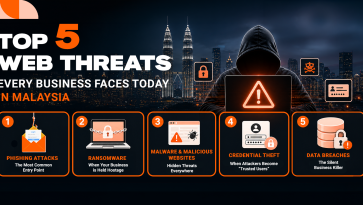
Community Discussion
Want to join the conversation?
To unlock comments, log in or sign up now!
Article
Why Traditional Antivirus Can’t Stop DNS-Level Threats
13 May 2026 • 3 min read
Cyber threats in Malaysia have grown rapidly in recent years, driven by increased digital adoption, online banking, and cloud usage. While many organisations still rely on traditional antivirus software as their primary defence, real-world incidents in Malaysia show that antivirus alone is no longer sufficient, especially against DNS-level threats.
DNS (Domain Name System) attacks operate below the application layer, allowing attackers to bypass endpoint protection entirely. As a result, malicious communications may occur even when antivirus software shows no alerts.
According to CyberSecurity Malaysia’s Cyber999 Incident Response Centre, cyber incidents involving Malaysian IPs and domains have increased year‑on‑year. In the last two years alone, thousands of fraud, intrusion, and malicious code incidents were officially recorded, with fraud and phishing dominating the threat landscape.
Key statistics highlight the severity of the situation:
-
Online fraud and phishing accounted for the majority of reported incidents, with 1,471 fraud cases in a single quarter (Q4 2025).
-
Malaysia lost RM3.18 billion to online scams between 2021 and April 2024, affecting more than 95,800 victims nationwide.
-
In 2024, phishing made up 77% of all fraud cases in Malaysia, according to statements to the Dewan Negara by the Digital Ministry.
Many of these attacks rely heavily on malicious domains, fake websites, and command-and-control servers, which are accessed through DNS.
Here are the reasons why traditional antivirus falls short:
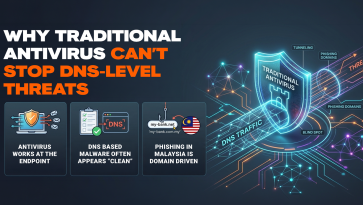
1. Antivirus Works at the Endpoint — DNS Attacks Do Not
Traditional antivirus tools focus on:
-
Known malware files
-
Suspicious executables
-
Behaviour on the local device
However, DNS threats occur before a file is even downloaded. If a user visits a malicious domain or a compromised website, DNS resolution happens automatically — long before antivirus engines can respond.
This gap has been highlighted repeatedly in Malaysian incident reports, where fraudulent websites and fake domains are among the most common attack methods.
2. DNS‑Based Malware Often Appears “Clean”
Modern malware increasingly uses DNS to:
-
Receive commands
-
Exfiltrate data
-
Stay dormant until activated
Security reports covering Malaysia show a rise in stealthy malware and ransomware campaigns that avoid traditional detection techniques.
3. Phishing in Malaysia Is Domain‑Driven
Malaysia consistently ranks among the highest in Southeast Asia for web‑based threats, with 19.62 million web attacks recorded in the first half of 2024 alone, and 3.36 million attacks last year, according to Kaspersky.
Most phishing attacks depend on:
-
Newly registered domains
-
Look‑alike domains impersonating banks, telcos, or government agencies
-
Short‑lived malicious URLs
Traditional antivirus software is no longer enough to protect Malaysian organisations and users from modern cyber threats. Real incidents and official statistics clearly show that DNS-level attacks play a central role in phishing, fraud, malware, and ransomware campaigns in Malaysia.
To reduce risk effectively, security strategies must evolve beyond endpoints and include visibility and protection at the DNS layer where many attacks begin but few are currently stopped.
Uncover hidden risks: In the next article, we’ll examine how malware reaches your network through everyday browsing.
Protect your business with Unifi Business cybersecurity solution. Reliable, always-on protection for what matters most.
Interested in more helpful content?
Just sign up to access it all: a wealth of exclusive business insights, events you can attend and so much more!
Sign up now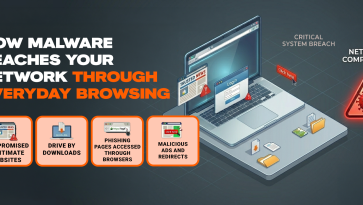
Community Discussion
Want to join the conversation?
To unlock comments, log in or sign up now!
Article
Level Up Your Business with Go Bookit: The Ultimate Appointment Solution for MSMEs
15 Jul 2025 • 2 min read
Tired of juggling phone calls, emails, and sticky notes just to schedule appointments? Say goodbye to booking headaches and hello to seamless scheduling with our game-changing online appointment solution, designed specifically for micro, small and medium enterprises (MSMEs)!
Imagine a world where your customers can book appointments with just a few clicks, anytime, anywhere. No more missed calls or back-and-forth emails. Go Bookit offers a user-friendly digital platform that empowers your clients to take control of their scheduling, making the booking process effortless and hassle-free. It’s like having a 24/7 personal assistant, minus the coffee breaks!
But wait, there’s more. We know how frustrating it can be when customers forget their appointments, or when your own hectic schedule causes you to overlook bookings. That’s why we’ve integrated WhatsApp confirmations and reminders into our system. These timely nudges ensure that both you and your clients stay on track, dramatically reducing no-shows and last-minute cancellations.
One ultimate solution, one unified platform
Additionally, Go Bookit brings all your customer data together in one convenient place. No more shuffling through countless files or scrolling through endless email threads. With just a few clicks, you can access your clients’ history, preferences, and contact information. This treasure trove of data makes follow-ups a breeze and helps you provide that personal touch that keeps customers coming back for more.
But don’t just take our word for it. Businesses like yours are already reaping the benefits of our online appointment solution. One good example is Vemey Enterprise that uses Go Bookit for their sambal delivery — saving time, reducing administrative burdens, and delighting their customers with smooth, professional service.

Pro tip: Head over to our Product Stories to watch videos that showcase Go Bookit’s amazing features.
All set to transform your business and join the scheduling revolution? Visit Go Bookit page today and subscribe to the plan that’s right for you. And here’s the best part: we’re currently offering a special deal that you won’t want to miss. Don’t let this opportunity slip away!


Take control of your calendar, impress your customers, and watch your business thrive. The future of appointment scheduling is here. Are you ready to embrace it?
Interested in more helpful content?
Just sign up to access it all: a wealth of exclusive business insights, events you can attend and so much more!
Sign up now
Community Discussion
Want to join the conversation?
To unlock comments, log in or sign up now!
Article
Unleash the Power of Online Appointment Booking for MSMEs
14 Jul 2025 • 3 min read
In today’s fast-paced digital world, micro, small and medium enterprises (MSMEs) are constantly seeking ways to streamline their operations and enhance customer experiences. One powerful tool that has gained significant traction is the online appointment booking system.
This innovative solution offers a myriad of features that benefit both business owners and customers alike. Let’s explore how these systems work and why they’re becoming indispensable for MSMEs across various industries.
Features of online appointment systems
-
24/7 availability: Customers are able to book appointments anytime, anywhere, without being limited by business hours.
-
Real-time scheduling: The system updates instantly, preventing double-bookings and ensuring accurate availability.
-
Automated reminders: Send WhatsApp, SMS or email reminders to reduce no-shows and last-minute cancellations.
-
Integration capabilities: Seamlessly connect with existing calendars, CRM systems, and payment gateways.
-
Customisable booking forms: Collect relevant information from customers during the booking process.
-
Multi-staff and multi-location support: Manage appointments for multiple team members or business locations.
-
Analytics and reporting: Generate insights on booking patterns, popular services, and customer preferences.
Benefits for business owners
The online booking system not only simplifies the appointment process for customers but also improves the operational efficiency of service-based businesses.

It allows MSME owners to focus more on their skilled work rather than administrative matters, ultimately leading to better service quality and increased customer satisfaction.
-
Time savings: Less time spent on phone calls and manual scheduling, allowing staff to focus on core business activities.
-
Optimised efficiency: Streamline the booking process and minimise administrative tasks.
-
Reduced no-shows: Automated reminders significantly decrease missed appointments.
-
Improved customer data management: Centralise customer information for better service and marketing.
-
Round-the-clock booking capability: Capture bookings even outside of business hours, increasing revenue potential.
-
Resource optimisation: Efficiently allocate staff and resources based on real-time booking data.
-
Enhanced professional image: Offer a modern, convenient booking experience that reflects positively on your business.
Advantages for customers
Among others, online booking platforms offer customers 24/7 convenience, real-time availability, and instant confirmations. They save time, eliminate phone tags, and allow easy scheduling, rescheduling, and cancellations. Moreover, automated reminders help prevent missed appointments, enhancing overall customer experience. Here’s an overview of the key benefits:
-
Convenience: Book appointments at any time, from any device, without the need for phone calls.
-
Flexibility: Easily view available time slots and choose the most convenient option.
-
Prompt response: Avoid long wait times on phone calls or in-person queues.
-
Self-service: Manage bookings, reschedule, or cancel appointments independently.
-
Instant confirmation: Receive immediate confirmation and reminders for peace of mind.
-
Personalisation: Save preferences and booking history for faster future appointments.
Let’s look at some examples of how an online appointment solution fits into different scenarios and caters to various product or service offerings:
Plumbing services
Plumbers can utilise the system to manage bookings for a wide range of services, from routine maintenance to emergency repairs. Customers can easily schedule appointments for pipe installations, drain cleaning, water heater servicing, or leak detections.

The system allows clients to select preferred time slots, describe their plumbing issues, and even upload photos of the problem area. Plumbers can prepare adequately for each job, bringing the right tools and parts based on the pre-appointment information provided.
Electrical services
Electricians use online booking systems to streamline scheduling for a variety of services like residential wiring, commercial work, and smart home setups. Customers can select their desired appointment times and provide job details. This preparation ensures electricians arrive equipped with the right tools and knowledge, improving efficiency and satisfaction.
Home cleaning services
A house cleaning service can allow customers to book suitable time frames, choose the type of cleaning required, and even specify any special requirements or areas of focus.
F&B businesses
Online booking systems help F&B-related businesses manage orders and reservations effectively.

For instance, restaurants can optimise seating and reduce no-shows, while food product companies like Vemey Enterprise can schedule pick-ups or deliveries. This improves planning, personalisation, and customer satisfaction, boosting revenue.
Beauty salons and spas
A small hair salon can use an online booking system to allow clients to book specific stylists, choose services, and even select product add-ons. This reduces front desk workload and enables stylists to prepare for each client’s needs in advance.
Health and wellness clinics
A mid-sized physiotherapy clinic can implement online booking to manage appointments for multiple therapists across different treatment rooms. Patients can book initial consultations or follow-up sessions, specifying their preferred practitioner and treatment type.
Automotive services
An auto repair shop can use the system to allow customers to book vehicle servicing, tyre changes, or diagnostic appointments. The booking form can collect information about the car make, model, and specific issues, helping mechanics prepare for each job.
Professional services
A law firm can utilise online booking for initial consultations. Clients can select the type of legal service they need, choose a preferred lawyer, and provide basic case information before the appointment.
Educational institutions
A language school can implement online booking for one-on-one tutoring sessions or small group classes. Students can view tutor availability, book recurring sessions, and even pay for lessons in advance.
Fitness centres
Gym owners can use the system to handle bookings for group classes, personal training sessions, and equipment orientations. Members can easily reserve spots in popular classes or schedule sessions with their favourite trainers.
To summarise, by implementing an online appointment booking system, MSMEs can greatly enhance their operational efficiency and customer satisfaction. The ability to offer 24/7 booking, lessen administrative workload, and provide a seamless customer experience makes these systems a valuable asset in today’s competitive business landscape. As more consumers expect digital convenience, businesses that embrace online booking solutions position themselves for growth and success in the digital age.
Looking for a smarter way to manage bookings? Experience Go Bookit from Unifi Business, the ultimate appointment solution for MSMEs!

SPECIAL OFFER: Bundle your UNI5G Business Mobile with our Go Bookit solution and redeem FREE 5G device and unlimited data. Discover the different options and choose the plan that works for you:
Interested in more helpful content?
Just sign up to access it all: a wealth of exclusive business insights, events you can attend and so much more!
Sign up now
Community Discussion
Want to join the conversation?
To unlock comments, log in or sign up now!
Showing 5 of 5 results

Article
0
Media Sosial Sebagai Alat Mempromosikan Jenama
Pengasas Temasek Agro, Azroy Abdul Manaf, mengakui kehadiran digital terutamanya di platform media sosial popular seperti Facebook dan TikTok memainkan peranan penting dalam kejayaan perniagaannya.
26 Aug 2024 • 3 min read

Article
0
OHSEM Marketing 360° 2024 Berjaya Menarik 4,000 Pengunjung
Acara ‘OHSEM Marketing 360° Bersama Media Prima’ yang diperkenalkan pada 2023 bagi memperkasakan PMKS dengan teknologi dan solusi pemasaran terkini kembali diadakan pada tahun ini.
24 Jun 2024 • 5 min read

Article
0
Peniaga Cendol Buka Lima Cawangan dalam Lima Tahun
Farizal Mustaffa yang menjalankan perniagaan Cendol Kampung Hulu berjaya mengembangkan perniagaan beliau termasuk di Muar, Johor Bahru, Melaka (kedai pandu lalu) dan Negeri Sembilan.

Article
0
[VIDEO] 5 Cara Mengatasi Stres ketika Mengendalikan Perniagaan
Membangunkan perniagaan bukanlah perkara yang mudah. Fikiran anda mungkin bercelaru kerana terkesan dengan tanggapan negatif dan segala macam faktor yang lain.
18 Jun 2024 • 2 min read

Article
0
[VIDEO] Bagaimana Nak Naikkan Jualan dengan Unifi eCommerce Hub
Solusi yang tepat untuk mengembangkan perniagaan anda secara digital dengan bajet mesra PMKS.
13 Jun 2024 • 2 min read
Events
Mark your calendar
Join our events to gain in-person guidance and expert advice.
Find out moreCustomer Stories
Hear from our customers
See what other businesses that have tried, tested and loved UBC have to say.
Go there
Interested in more helpful content?
Just sign up to access it all: a wealth of exclusive business insights, events you can attend and so much more!
Sign up now